


Paediatric uveitis refers to inflammation inside the eye that occurs in children and young adults.
Although relatively uncommon, it is one of the most important causes of preventable visual loss in childhood.
The uvea includes the iris, ciliary body, and choroid, and inflammation can affect one or more of these structures. It can also affect the surrounding structures, including the retina, optic nerve and vitreous.
Because uveitis in children may develop slowly and without obvious symptoms, early recognition and specialist management are essential.
Other causes include autoimmune diseases, such as sarcoidosis; infections (such as toxoplasmosis or viral infections); or it may occur without an identifiable cause (“idiopathic”). Genetic factors and immune dysregulation are thought to play key roles.
Many children with chronic anterior uveitis have few or no symptoms at first. Chronic anterior uveitis, including the JIA-associated uveitis, often develops quietly, without redness or pain, which means a child may not notice any symptoms until the inflammation has already caused damage.
Diagnosis is made through a comprehensive eye examination by a uveitis specialist. This includes slit-lamp examination, measurement of eye pressure, and imaging of the back of the eye, if needed.
Laboratory tests or scans may be used to identify an underlying cause, such as autoimmune or infectious conditions. Close collaboration with paediatric rheumatologists and other specialists is often required.
In non-infectious inflammatory diseases, treatments are not curative but aim at controlling the immune response which is the reason of the inflammatory reaction in the eye.
Regular monitoring to adjust treatment and detect complications like cataract and/or glaucoma is required.
With modern therapies and coordinated care between ophthalmologists and rheumatologists, most children can achieve good long-term visual outcomes.
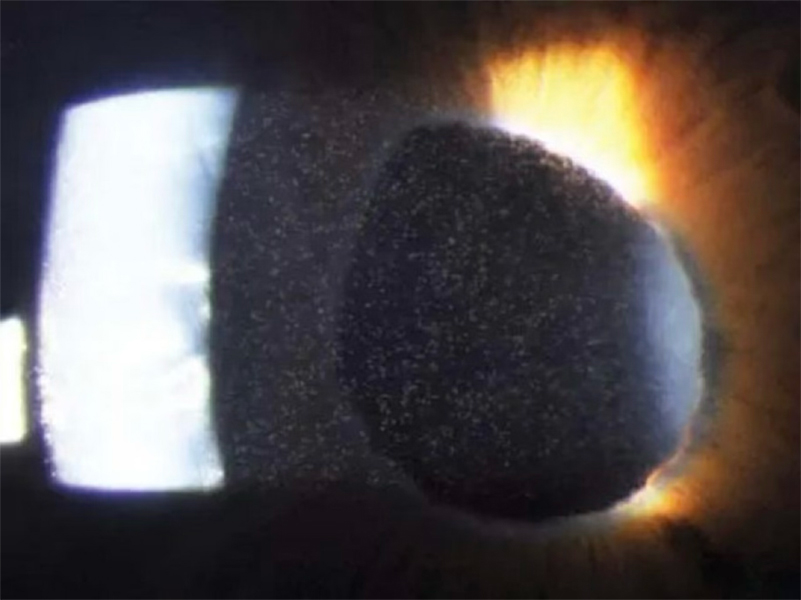
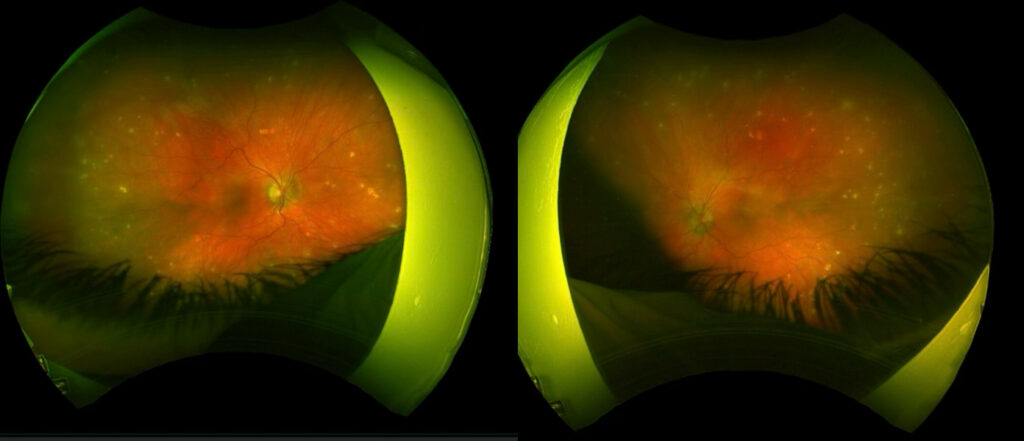


Occlusive retinal vasculitis and retinitis in a 15-year-old male with Behçet disease
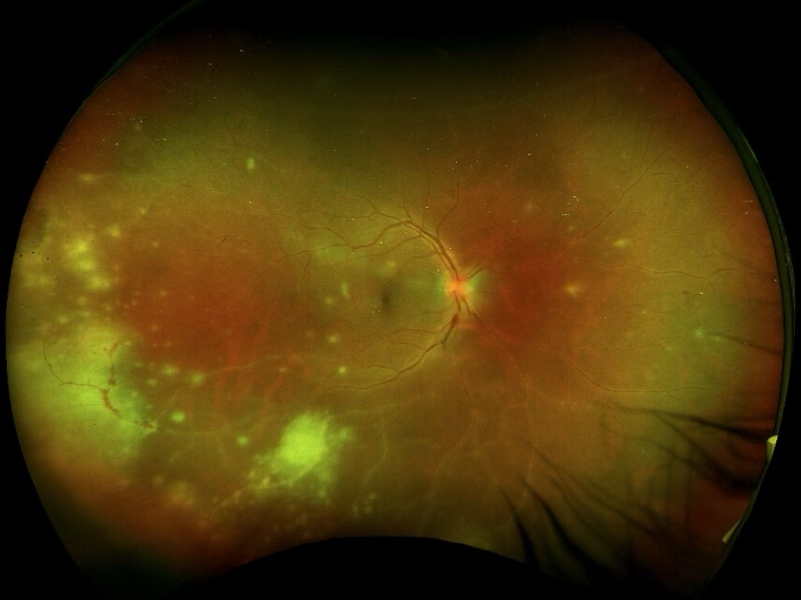
Viral retinitis (acute retinal necrosis) in a 12-year-old male

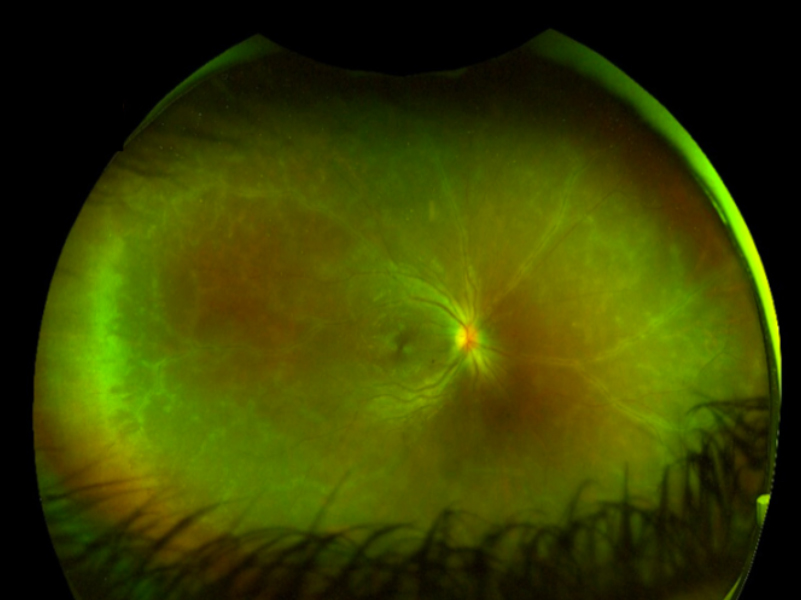
Ocular toxoplasmosis in a 13-year-old female
Dr Ilaria Testi currently works within the NHS Paediatric Uveitis Service at Great Ormond Street Hospital.
Her private paediatric practice, caring for children and young adults with uveitis, is also based at Great Ormond Street Hospital.
For further information or to arrange an appointment, please call +44 020 76167657 or email ilaria.testi@uveitislondon.co.uk.

Contact
Ilaria Testi
The London Clinic Eye Centre
119 Harley Street
London W1G 6AU
COPYRIGHT 2026 | Dr ILARIA TESTI | Cookie Policy | Term and Conditions