


The disease is the most common type of uveitis occurring in children, accounting up to 80% of all cases of anterior uveitis in childhood.
JIA is the most common type of arthritis in kids and teens younger than 16 years.
It typically causes joint pain and inflammation in hands, knees, ankles, elbows and/or wrists. JIA is more common in girls, and the peak age at onset is between 2 and 4 years.
The incidence of eye involvement in patients with JIA is 8% – 30%, and usually occurs in patients who have oligo-arthritis, a type of arthritis affecting four or fewer joints.
A detailed medical history and a focussed systemic examination to look for joint involvement in children manifesting uveitis is mandatory. Even though uveitis can precede the onset or be detected at the time of the diagnosis of arthritis, the disease more commonly develops within a few years after the onset of arthritis. The average age at the time of diagnosis of uveitis is 6 – 8 years. The highest risk of eye involvement is within 2 years after the onset of arthritis.
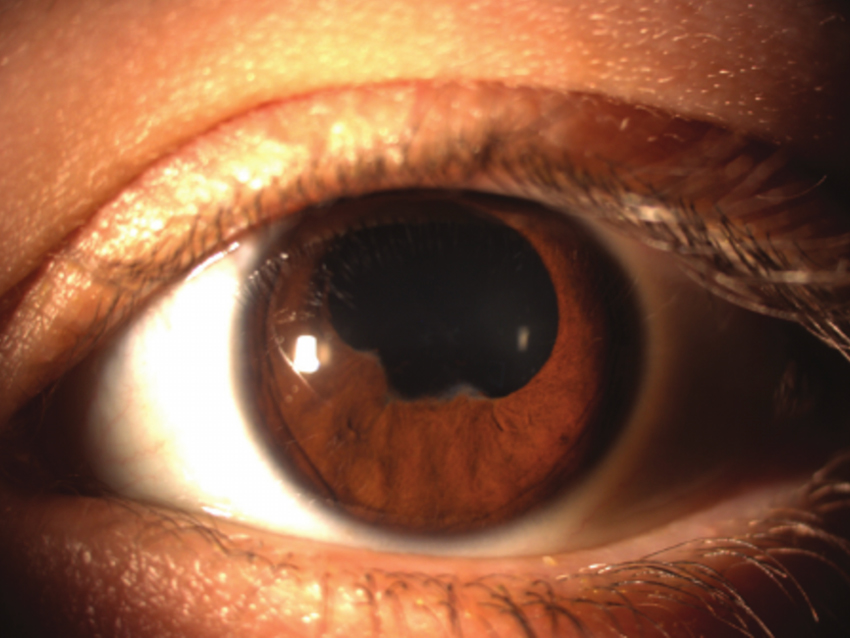
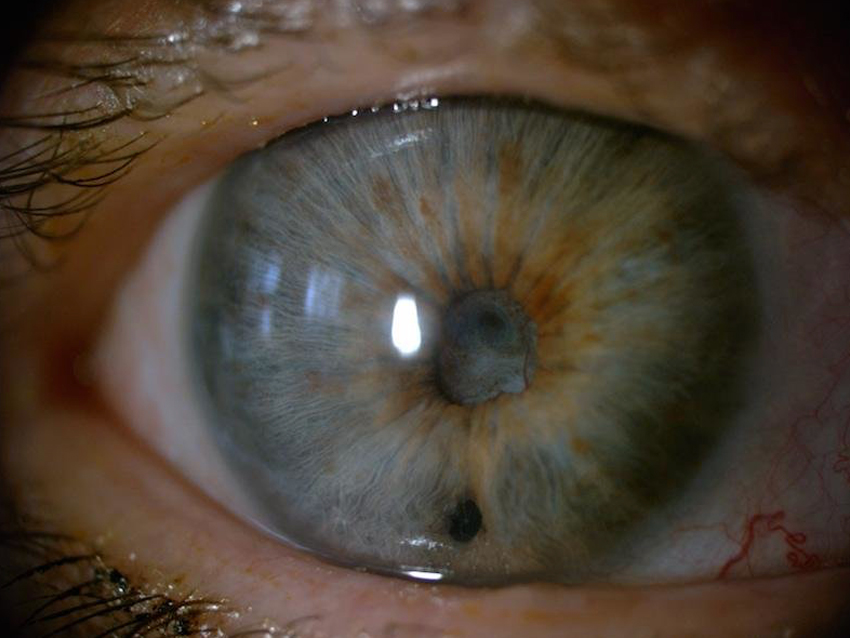
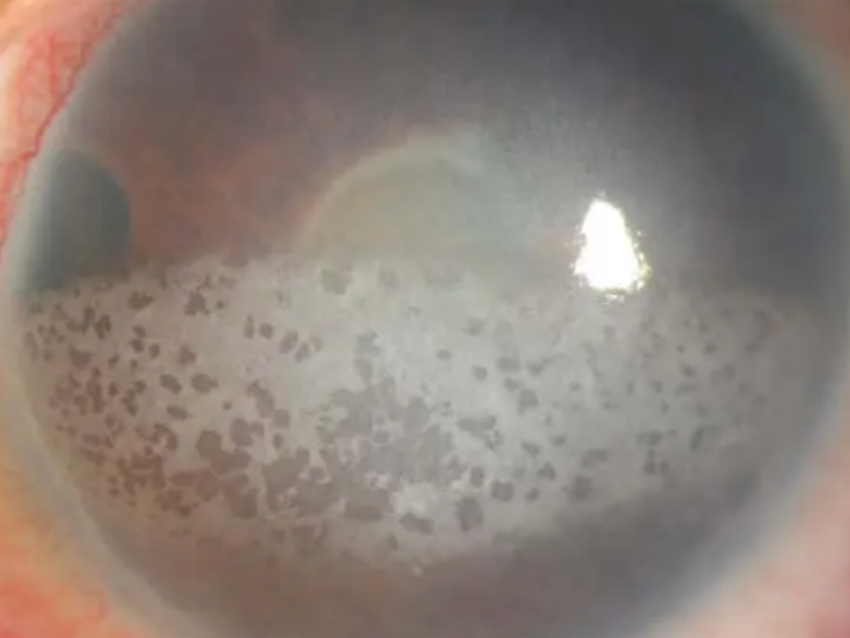
JIA associated uveitis is typically an anterior form of low-grade chronic inflammation, involving the iris and ciliary body (iridocyclitis), and usually affects both eyes. The uveitis typically manifests with inflammatory cells in the anterior part of the eye.
Because the eyes do not appear red or inflamed on external examination and the patients are young and might not report ocular discomfort or changes in vision, it often happens that it is not until the first complications of uveitis occur that the ocular involvement is detected.
If not detected and controlled, the ongoing low-grade chronic inflammation can result in ocular damage and complications, including
JIA is an inflammatory condition presumably driven by an abnormal immune response that occurs in genetically predisposed individuals. It is possible that environmental factors, including infections, may trigger the disorder.
The disease cannot be passed on to other people or from parent to child, but genetic factors may increase the likelihood of a person developing the condition. Environmental factors may be important and occurrence of the disease in family members is more likely to be connected to exposure to these factors.
Risk factors in patients with JIA for developing uveitis include:
Boys and ANA negative patients can also developed uveitis.
Since the patients are mostly asymptomatic, the diagnosis of JIA associated uveitis is often made during an ocular screening examination in patients diagnosed with JIA.
Current guidelines recommend that children whose age at onset of JIA is under 11 years and who do not have known uveitis should have a complete ophthalmologic examination at two monthly interval from the onset of arthritis for 6 months, and then every 3-4 months until the age of 11 to 12 years of age. (see Guidelines for screening for uveitis in juvenile idiopathic arthritis produced jointly by BSPAR and the RCOphth 2006).
The intention of therapy is to control ocular inflammation and prevent damage to the tissues of the eye. The treatments are not curative but aim at controlling the immune response which is the reason of the ocular inflammatory reaction.
No active inflammation should be tolerated at any time in the eyes of children with JIA associated uveitis. Treatment options to achieve the goal include a stepladder approach of progressive aggressiveness of therapy, and include topical steroids (eye drops), local steroid injections and the use of oral medications, usually starting with systemic steroids to induce rapid response.
If the control of the uveitis is not satisfactory and inflammation persists after attempted withdrawal of oral and topical steroids, the addition of immunosuppressive drugs (usually once-a-week methotrexate therapy) is considered to allow long term control of the disease and minimize the side effects of the steroids.
When methotrexate fails or is not tolerated, other immunomodulators including biologic agents, such as adalimumab, should be be considered. Recent studies have shown the effectiveness of Adalimumab in the control of JIA associated uveitis.
Compared to other forms of uveitis, the risk of sever ocular damage and associated visual loss is still very high in children with JIA associated uveitis. This has improved in recent years due to more strict screening guidelines and more effective immunosuppression.
Adequate treatment before permanent damage has developed is essential to guarantee children with JIA associated uveitis a good quality of life.

Contact
Ilaria Testi
The London Clinic Eye Centre
119 Harley Street
London W1G 6AU
COPYRIGHT 2026 | Dr ILARIA TESTI | Cookie Policy | Term and Conditions